Who Is Big Lots Owned By? – Celebrity
 James Williams
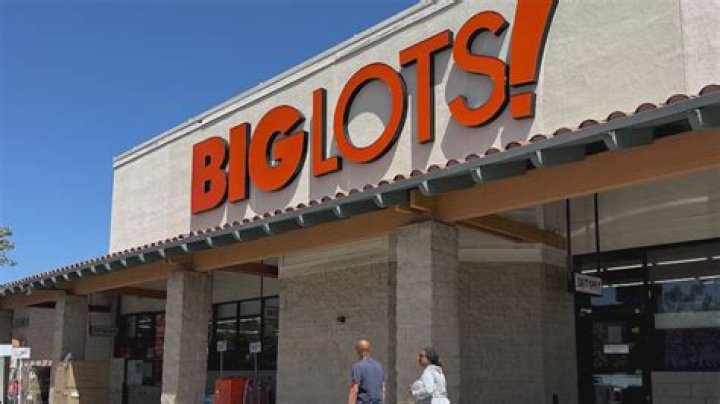
 Big Lots, Inc. (stylized as Big Lots!) is an American retail company headquartered in Columbus, Ohio with over 1,400 stores in 47 states. The Big Lots chain traces its history back to 1967 when Consolidated Stores Corporation was formed in Ohio by Sol Shenk.
He’s considered one of the true visionaries in the discount retail marketplace. Sol Shenk founded the company in 1967 that is now Big Lots. Shenk loved making crazy closeout deals, particularly on auto parts and all kinds of vehicles.
Furniture is Big Lots’ biggest business. This broad range of items helps Big Lots distinguish itself from traditional home decor and furniture sellers, as well as grocers, analysts say. The company sells frozen foods in refrigerators at the end of aisles.
The company pledged $27 million to the Big Lots advertising effort, well more than double the company’s marketing budgets for the previous years. SBC Advertising, the firm that handled the company’s advertising for the past 3 years, managed the campaign.
Where is Big Lots located?
Big Lots, Inc. (stylized as Big Lots!) is an American retail company headquartered in Columbus, Ohio with over 1,400 stores in 47 states.
History. The Big Lots chain traces its history back to 1967 when Consolidated Stores Corporation was formed in Ohio by Sol Shenk. In 1982, Consolidated Stores Corp. opened its first closeout store, called Odd Lots, in Columbus, Ohio.
Consolidated Stores Corp. was an investor in the DeLorean Motor Company, which declared bankruptcy in 1982.
On July 19, 2011, Big Lots announced that it had purchased Liquidation World Inc., a Canadian closeout retailer with 89 locations. The cost of the acquisition was $20 million in cash and the assumption of certain liabilities. This represents Big Lots first retail venture outside of the US.
On August 3, 2006, Big Lots announced it would change its New York Stock Exchange ticker symbol from BLI to BIG, beginning with trading activity on August 18, 2006. Big Lots Store No. 1, Berwick Plaza Shopping Center, Columbus, Ohio (Before and after); The first store in the Big Lots chain was located in the former Kroger store in …
In 1983, drug store chain Revco bought New Jersey closeout retailer Odd Lot Trading Co. As Consolidated’s Odd Lots stores expanded from Columbus, Revco took issue with the fact that another closeout retailer was operating a chain with national aspirations that had a similar name as the Revco -owned subsidiary.
Big Lots operated a wholesale division which provided merchandise in bulk. Big Lots closed its wholesale division at the end of the 2013 fiscal year. The Columbus-based closeout retailer had conducted wholesale operations through Big Lots Wholesale, Consolidated International and Wisconsin Toy for more than 34 years.
What is Big Lots?
Big Lots, Inc., the nation’s largest closeout retailer, sells everything from consumables, seasonal products and furniture to housewares, toys and gifts. The company operates over 1,300 closeout stores in 45 states. The stores operate under the names Big Lots, Big Lots Furniture, Pic ‘n’ Save and Mac Frugal’s Bargains. The company’s wholesale operations are conducted through Big Lots Wholesale, Consolidated International, and Wisconson Toy, and online shopping is available at Big Lots differentiates itself from the dollar stores and large-scale discount retailers by offering a wide range of products and prices in their 25,000 to 50,000-square-foot stores. Big Lots acquires leftover, discontinued, and otherwise unwanted products from approximately 3,000 vendors located around the world. Some of the vendors include Proctor & Gamble, Mattel, and small-scale manufacturers in China and the Philippines.
ADVERTISEMENT
Big Lots launched its website, in November 2001.
Along with the name change, the company planned to spruce up the brand’s image in order to attract a more affluent group of bargain shoppers. Al Bell, Vice Chairman of Big Lots told HFN Weekly in May 2001, “We want to appeal to a broader demographic, to appeal to the customer who wants a bargain but doesn’t necessarily need a bargain.” Some of the superficial changes that Big Lots made to win over these customers included improved lighting, restrooms and floors. Big lots invested $80,000 per store to repaint and otherwise improve the stores. Changes to the company’s stock of products included plans to expand their home furnishings and seasonal items. The basic plan for upgrading the stores was to make them brighter, friendly and to offer better service. In addition to rebranding many stores, Big Lots intended to open approximately 80 new Big Lots stores in 2001 and launched a customer-service training program.
Other major changes Big Lots underwent during the fall of 2001 included an upgrade of the company’s merchandising systems. Previously the stores had been disorganized; products were displayed on shelves with little reason and the distribution infrastructure needed attention.
Big Lots faced a $10.7 million loss, in August 2001, caused by slow sales, lowered profit margins and the company’s continued investment in converting its multiple non-Big Lots-named stores into Big Lots. In response to the dwindling share price (the share price fell 9 cents) the Company slashed prices countrywide.
Additionally, the advertisements strove to convey the message that people who wanted to save the most money and get the best products needed to shop at Big Lots every week because the products in the stores are changed frequently.
When Consolidated Stores Corporation (CSC) went public in 1985, just three years after opening their first closeout store, with a $33.4 million stock offering, the majority of the funds raised went to pay off debt incurred during the purchase of CSC from its main stockholders, the Shenk and Schottenstein families, who also happened to be key stockholders and executives in the new CSC. Only $1.9 million of the money raised was earmarked for the opening of 40-45 new stores. The new CSC, upon acquiring the old CSC, switched the company’s fiscal year to the traditional retail fiscal period and divested two of CSC’s subsidiaries, AMT and Covairs Auto Parts store, in order to focus the company’s operations on one market: the retail and closeout business.