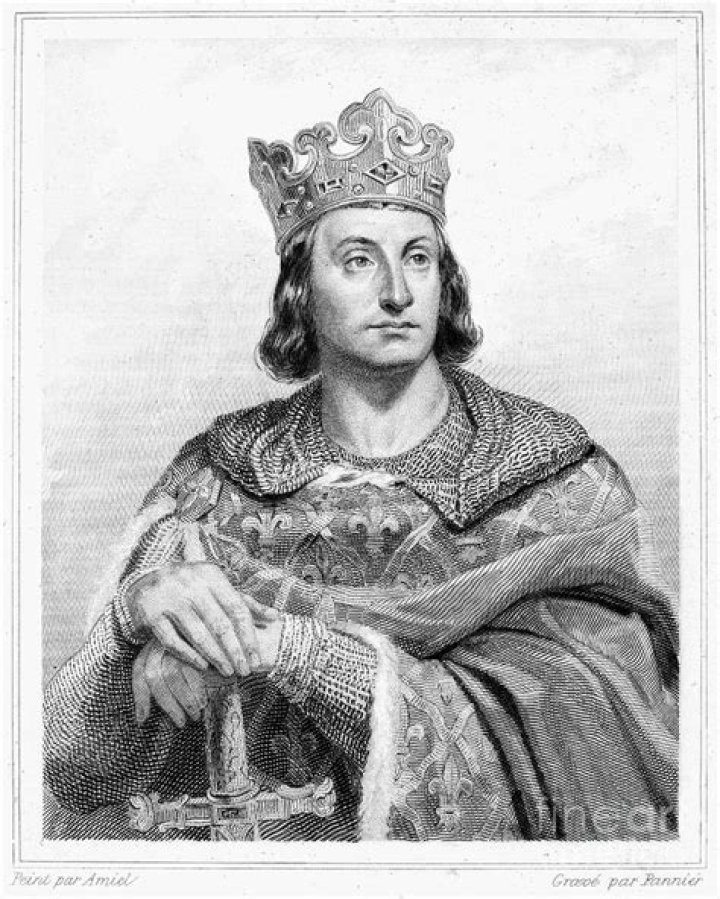
Philip II of France Biography
 Robert Clark
 culture
Philip II of France Biography
(King of France)Birthday: August 21, 1165 (Leo)
Born In: Gonesse, France
Advanced SearchPhilip II of France was the King of France in the late 12th and early 13th centuries. His expansion of France from a feudal land to a prosperous country caused him to be popularly known as ‘Philip Augustus’. He was often called a political genius and master manipulator of feudal lords and other monarchs, to get his way. Becoming a king at an early age, he promptly began expanding his lands by waging wars with his vassals and defeating them. Thereafter, he fought an extensive war with the Angevin kings Henry II of England, Richard the Lionheart, John Lackland, etc., wherein he recaptured extensive tracts of French lands controlled by the ‘Angevin Empire’. He also fought in the ‘Third Crusade’, which resulted in the southward expansion of France. All these wars made him an unchallenged ruler of France and affected European politics for a long time after. He also implemented administrative, financial, educational and cultural reforms in France for the betterment of his people. He was, however, not a very benevolent husband and faced several marital issues with all his wives. Quick FactsFrench Celebrities Born In August
Also Known As: Philip Augustus, Philip II
Died At Age: 57
Family:Spouse/Ex-: Agnes of Merania, Ingeborg of Denmark, Isabella of Hainault, Queen of France
father: Louis VII of France
mother: Adela of Champagne
siblings: Agnes of France, Alys of France, Byzantine Empress, Countess of the Vexin, Margaret of France, Queen of England and Hungary
children: Count of Boulogne, Duchess of Brabant, Isabella of Hainault, Louis VIII of France, Marie of France, Peter Karlotus, Philip I
Born Country: France
Died on: July 14, 1223
place of death: Mantes-la-Jolie, France
Recommended For You
Recommended Lists:
French PeopleFrench Emperors & KingsFrench Historical PersonalitiesLeo Men Childhood & Early LifePhilip II was born on August 21, 1165, to King Louis VII, and his third wife, Adèle de Champagne in Gonesse, France. Since he was the first son born very late in his father’s life, he was nicknamed ‘Dieudonné’ (God-given).In November 1179, when he was 14, his father crowned him as the king.Continue Reading BelowCareerIn 1181, Philip II of France waged a war with his vassal, the ‘Count of Flanders’, by fracturing his relations with his allies, and took back the crown lands under their control. Thus, he was honored with the epithet ‘Philip Augustus’.In 1182, he enriched his coffers and expanded his demesne by expelling all Jews from his lands and confiscating their wares.In 1184, he vanquished the count, Stephen I, Count of Sancerre, and acquired his lands too.From 1186-88, Philip II of France fought a war with Henry II of England, who had extensive land holdings in France. When the war failed to yield results, he incited his sons, ‘Richard the Lionheart’ (Richard I of England) and John Lackland, into rebellion against their father, thus defeating him.In 1189, he fought side-by-side with Richard and the Holy Roman Emperor during the ‘Third Crusades’. But an illness and disagreement with Richard put a damper on his spirits. He returned to France to protect his lands and continued the Franco-English wars.From 1191 to 1199, he fought with Richard when the latter broke the betrothal to his sister, Alys, and refused to return the dowry land. During this period of conflict, he tried to continually but unsuccessfully capture lands under Richard’s control.In 1200, after Richard’s death, he signed the ‘Treaty of Le Goulet’ and also confirmed his eldest son, Louis VIII of France's marriage with John's niece Blanche, hoping to end the war, but that did not happen.In 1200, John's mismanagement of Aquitaine led to a rebellion, which Phillip secretly encouraged. By 1204, Phillip had acquired most of Normandy and the Angevin lands. This gave rise to the 12-year ‘Anglo-French War’.In 1214, he defeated an Allied army consisting of the crown of England, Germans and Flemish rivals at the ’Battle of Bouvines’. This victory made him the unchallenged ruler of France and forced John of England to sign the ‘Magna Carta’ treaty, which had a lasting impact on European politics.Continue Reading Below From 1215 to 1222, he passively supported the ‘Albigensian Crusade’ and helped in bringing about an end to the ‘War of Succession’ in Champagne.Major WorksDuring his reign, he advanced the construction of Gothic Notre-Dame de Paris Cathedral; built, Les Halles, a central market, and the Louvre; and paved the main roads of Paris.In 1200, the ‘University of Paris’ received a charter from him.He introduced a centralized administration and tax collection system, and created salaried administrative staff to supervise local reforms. Thus, he protected the people from feudal lords and barons, and increased direct control of expanded territories.Family & Personal LifeIn 1180, Philip II of France married Isabelle of Hainaut, with a dowry of the County of Artois, but refused to accept her on the grounds that she could not give him an heir.In 1187, his son, Louis, was born through Isabelle.In 1190, Isabelle died giving birth to his twin sons, Robert and Philip, who also died within four days.In 1193, he married Ingeborg of Denmark. Somehow being repelled by her, he refused accept her as his queen. He tried to nullify the marriage stating various reasons, including the non-consummation of marriage, which Ingeborg denied.In 1196, he took a third wife, Agnes of Merania. But Pope Innocent III nullified the marriage since Philip was still married to Ingeborg. In 1198, Agnes gave birth to his daughter, Marie.In 1200, he reluctantly accepted Ingeborg as his queen. His son, Philippe, from Agnes, was born that year, but Agnes was exiled from court, stripped of her status and died a year later.On July 14, 1223, he died at Mantes-la-Jolie, France, and was buried at the Basilica of Saint-Denis.TriviaHe was the first French monarch to call himself ‘King of France’.He is believed to have been handsome and enjoyed wine, women and the finer things in life.