Kevin Carter Biography - Facts, Childhood, Family Life & Achievements
 James Austin
 science
Kevin Carter Biography
(South African Photojournalist and Member of the ‘Bang-Bang’ Club)Birthday: September 13, 1960 (Virgo)
Born In: Johannesburg, South Africa
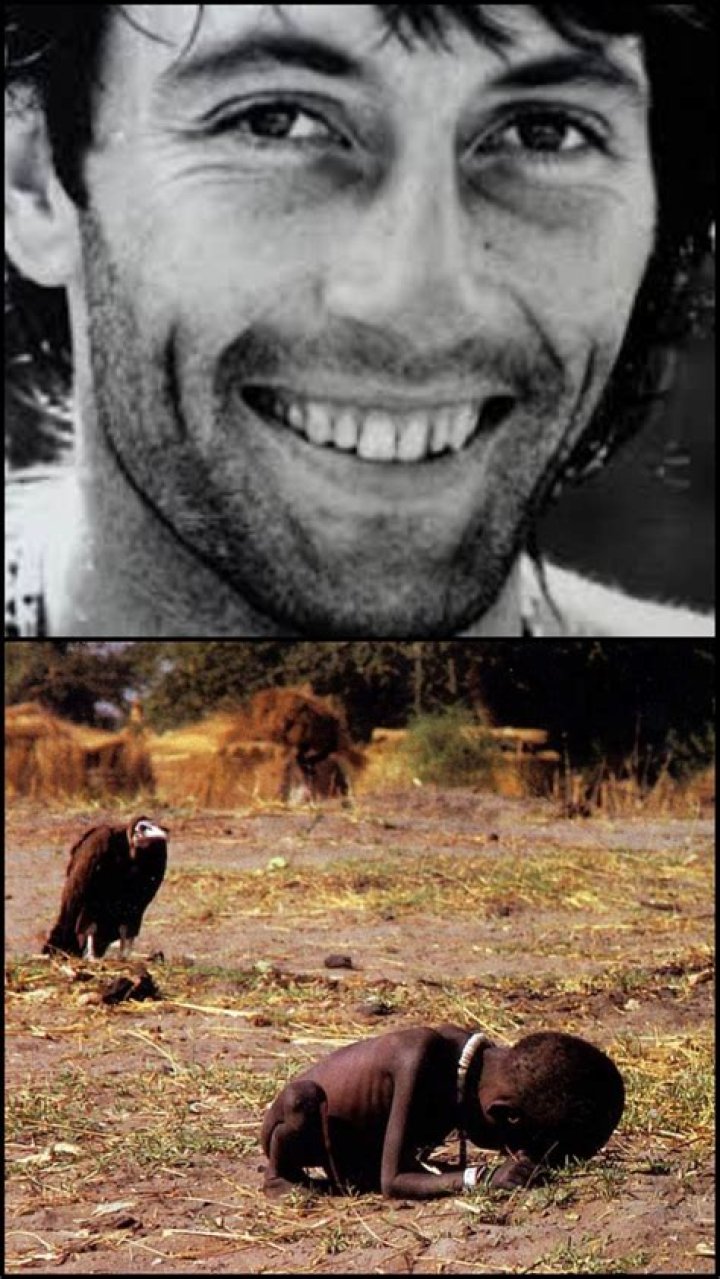
Advanced SearchKevin Carter was an internationally renowned South African photojournalist. He was the 1994 Pulitzer Prize recipient for his photograph showing a vulture patiently observing a starving Sudanese child. Regarded as an ambitious man with turbulent emotions which ultimately drove him into despair, Carter had a bright but short-lived career. Though he was seriously affected by the innumerable tragedies he witnessed during the course of his job, the globally acclaimed photographer never shied away from showing the society's unspeakable cruelties to the world at large. Raised in a whites-only neighborhood, Carter often questioned his parents’ indifferent attitude towards the prevalent issue of apartheid. He studied at a Catholic boarding school and later studied pharmacy. After dropping out due to bad grades, he joined the South African Army. However, he quit the service after facing ill treatment. Following the 1983 Church Street bombing in Pretoria, Carter decided to become a photojournalist to expose and document the pathetic condition of this society marred by crime and violence. On 24 July 1994, the depressed photographer committed suicide at the age of 33. Quick FactsDied At Age: 33
Family:father: Jimmy Carter
mother: Roma Carter
children: Megan Carter
place of death: Parkmore, Sandton, South Africa
Cause of Death: Carbon Monoxide Poisoning
City: Johannesburg, South Africa
More Factsawards: Pulitzer Prize for Feature Photography
Recommended For You
Recommended Lists:
South African CelebritiesSouth African MenMale JournalistsMale Media PersonalitiesSouth African Photographers CareerKevin Carter began his career in 1983 as a weekend sports photographer. A year later, he started working for the ‘Johannesburg Star’ as a political front-line photographer and went on to expose the violence, misery, and discrimination his society was experiencing at that time. He later joined the Bang-Bang Club, a group of four white photojournalists, and became famous for brilliantly capturing the rampant violence in South Africa.In March 1993, the photographer was given the opportunity to travel to South Sudan by the UN Operation Lifeline Sudan. He was asked to report about the famine in the region that was already experiencing a civil war. During this time, he made a day trip to Juba to photograph a boat with food aid for the area and shoot photos of famine victims, conversing among themselves about the appalling situation they were going through.During this time, Carter shot the most famous image of his career. The heart-breaking picture showed a plump vulture patiently observing a small, starving Sudanese girl who had apparently collapsed from hunger while striving hard to reach for food at the UN food center. The photograph first appeared on ‘The New York Times’ on 26 March 1993 and instantly sparked strong reactions. Thousands of people contacted the news agency to enquire more about the little girl. Carter and the newspaper responded to the queries. According to the former, he chased the vulture away but ended up weeping after seeing the girl’s horrific condition. It was also not known whether the girl reached the feeding center or not. The image later went on to become one of the most striking photographs of the Sudanese famine. In April 1994, it received the Pulitzer Prize for Feature Photography.It was later revealed by the father of the child in the photograph that the child was in fact a boy named Kong Nyong who went on to receive care at the UN food aid station. The boy died in 2007 due to fever, according to his family.In March 1994, Kevin Carter photographed three members of the Afrikaner Resistance Movement who were being shot during their invasion of Bophuthatswana right before the South African election. One of the photographs captured during the invasion made it to the front page of almost all major news publications in the world and was “one of the real pictures” of the whole campaign, according to ‘The Guardian.’Recommended Lists:Recommended Lists:
Virgo MenContinue Reading BelowFamily & Personal LifeKevin Carter was born on September 13, 1960 in Johannesburg, South Africa in a middle-class family. After high school, he quit his studies to become a pharmacist and was later drafted into the South African Air Force where he served four years. Due to subsequent ill treatments there, he decided to leave the military service and become a photojournalist.DeathOn 24 July 1994, Kevin Carter drove to Parkmore, an area where he used to play when he was a child, and committed suicide. He died of intentional carbon monoxide poisoning. He left a poignant suicide note in which he mentioned his deceased colleague Ken Oosterbroek and stated that he hoped “to join Ken.” Carter was just 33 at the time of his death.